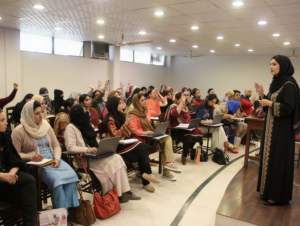


Skill development is the continuous process of identifying personal and professional gaps and improving abilities to meet new challenges. In today’s fast-changing world, having a degree alone is often not enough. Real success depends on how effectively a person applies knowledge and adapts to modern demands. In Pakistan, where unemployment and economic challenges are rising, skill development is more important than ever. It not only helps individuals grow but also plays a vital role in national development.
Why Does Skill Development Matter?
Skill development matters at both the individual and national levels. For individuals, it opens doors to better job opportunities and career growth. People with practical skills are more confident, independent, and better able to handle real-world challenges.

At the national level, a skilled workforce contributes to economic growth. It increases productivity and attracts foreign investment. Countries with skilled labor are more competitive in the global market. Moreover, skill development helps reduce unemployment and poverty, which are major concerns in Pakistan.
Another key benefit is adaptability. As technology such as artificial intelligence and automation continues to evolve, individuals must keep learning new skills to stay relevant. Continuous learning ensures long-term career stability and success.
Current Situation in Pakistan
Pakistan has a large youth population, which is a great strength. However, many young people struggle to find suitable jobs. One major reason is the gap between education and practical skills. The current education system focuses more on theory than hands-on experience.
Although technical and vocational training institutes exist, they are not enough to meet the growing demand. In rural areas, access to such facilities is even more limited. Many students are also unaware of available opportunities or cannot afford proper training. As a result, a significant portion of the workforce remains unskilled or under-skilled.
Core Areas of Skill Development
Effective skill development is based on four key pillars: skills, knowledge, understanding, and aptitude. To achieve balanced growth, individuals should focus on different skill categories:
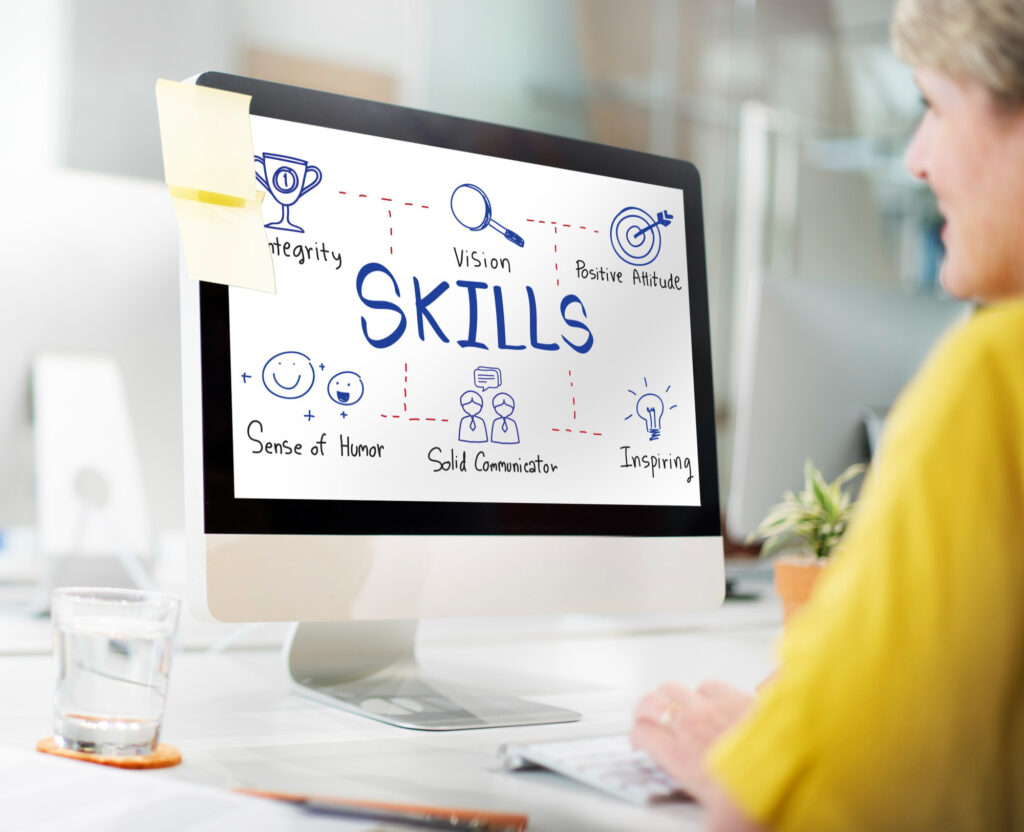
- Technical (Hard) Skills
These are job-specific and measurable abilities such as data analysis, coding, and machine operation. These skills are essential for many professional roles and industries.
- Soft Skills
Soft skills include communication, teamwork, leadership, and emotional intelligence. They matter just as much because they help people work effectively with others and grow in their careers.
- Digital Literacy
In the modern world, digital skills are necessary for almost every field. Understanding basic tools, online platforms, and technologies helps individuals stay competitive. Skills like digital marketing, cybersecurity basics, and cloud computing are becoming increasingly valuable.
- Analytical Thinking
This involves the ability to solve problems, think critically, and make informed decisions. It includes skills such as research, strategic planning, and logical reasoning.
Challenges in Skill Development
Pakistan faces several challenges in promoting skill development. One major issue is the lack of awareness. Many people still believe only degrees matter and do not focus on practical skills.

Another challenge is the limited number of training centers, especially in rural areas. This creates inequality and limits opportunities for many individuals. Additionally, a shortage of qualified trainers affects the quality of education and training.
The lack of modern technology in many institutions is also a problem. Without updated tools and equipment, students cannot learn according to current industry standards. Financial constraints further prevent many individuals from accessing skill development programs.
How to Start the Skill Development Journey
Starting a skill development journey requires planning and consistency. First, identify your strengths and weaknesses. A needs assessment helps you understand the gap between your current abilities and your career goals.
Setting small and achievable goals, also known as micro-goals, can make the learning process easier. For example, instead of aiming to learn a complex skill all at once, you can focus on completing small tasks step by step.
Using different learning methods is also helpful. Combining formal education with online courses, mentorship, and practical experience can improve learning outcomes. Digital platforms provide easy access to knowledge and training resources.
Most importantly, practice is essential. Skills improve only through regular use. Applying knowledge in real-life situations helps build confidence and mastery.
The Role of Government and Institutions
The government of Pakistan has introduced several initiatives to promote skill development, including technical and vocational training programs. These programs aim to equip young people with practical skills for employment.

Educational institutions also play a key role. Schools and colleges should focus more on skill-based learning instead of only theoretical education. This will better prepare students for the job market.
Private organizations and non-governmental organizations can support this effort by providing training programs, workshops, and internships. Collaboration between the public and private sectors can significantly improve Pakistan’s overall skill-development system.
Looking Ahead
In conclusion, skill development is essential for both personal success and national progress. Pakistan has great potential, especially with its large youth population, but it needs to invest more in developing skills. By improving awareness, increasing access to training, and modernizing educational systems, the country can overcome unemployment and economic challenges. Continuous learning and skill development will not only empower individuals but also lead Pakistan toward a more prosperous and sustainable future.
Disclaimer: Any opinions expressed in this article do not necessarily reflect the opinions of the Pakistan Education Review. This content is meant for informational purposes only.

About the Author:
Aqsa Khan is a passionate educator and content writer with a strong interest in skill development and education in Pakistan. She is dedicated to helping individuals improve their abilities and achieve success through learning.