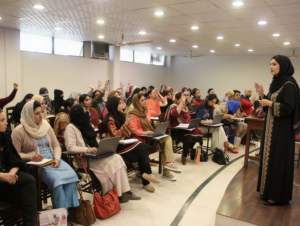

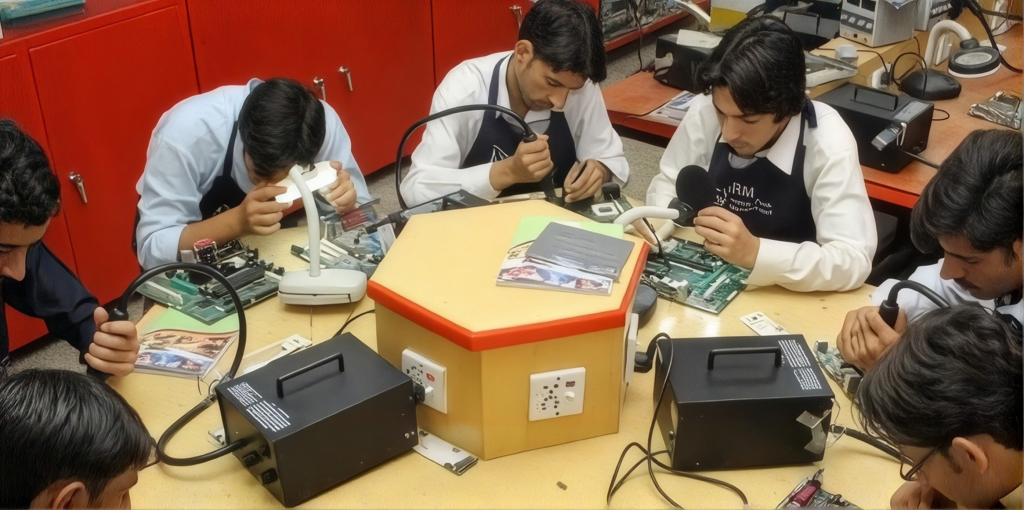
Technical and vocational skills encompass essential knowledge, practical abilities, expertise, and attitudes needed to engage in a specific trade or profession in the job market. The concept of developing technical and vocational skills is inclusive, applying equally across ages, backgrounds, life phases, learning modalities, training settings, and proficiency levels.
Skill development is essential to Pakistan’s economic and social progress, as it helps address human capital challenges. Currently, Pakistan is at a crucial turning point in its socioeconomic path, with more than 60% of its population under 30 years old and a rising unemployment rate. Ensuring young people acquire the skills needed to succeed in a global economy is vital. Pakistan has emphasized digital literacy and entrepreneurship education as key elements of its skill development approach. Initiatives such as DigiSkills.pk are designed to bridge the digital gap by providing young individuals with e-commerce and freelancing expertise, despite these efforts, there are some obstacles, as inadequate infrastructure exacerbates the gap in access to digital resources between urban and rural settings.
In Pakistan, educational policies such as the National “Skills for All” Strategy (NSS) and Vision 2025 emphasize skill-based education to meet the Sustainable Development Goals (SDGs) and deliver skills aligned with labor market demands. However, challenges remain, including outdated infrastructure, inadequate funding, and administrative inefficiencies.
Common Challenges
Research shows that numerous Technical and Vocational Education and Training (TVET) colleges lack modern equipment and up-to-date curricula, hindering their alignment with industry needs. These shortcomings have limited the success of skill development programs, particularly in rural areas where training facilities are inadequate and qualified instructors are scarce. Regulations governing TVET are crucial for developing a skilled workforce that meets evolving market needs. Previous research highlights the alignment of skill-oriented education with the SDGs. Skill development initiatives need to align with industry requirements, and robust monitoring frameworks must be established. Partnerships between educational institutions and industries are essential to close the skills gap. Weak links between schools and businesses create a significant skills gap, limiting employment opportunities for graduates
Skill Development and Employment Issues
Pakistan’s technical education system includes polytechnic institutions, trade schools, and vocational training centers designed to equip students for careers in industry. Although many institutions can produce competent graduates, factors such as outdated technology, insufficient funding, and conventional teaching approaches often impede their success. Enrollment in technical disciplines has gradually increased, especially among students seeking faster routes to employment. Employers seek not only technical skills but also communication, teamwork, and adaptability. A candidate may be adept at operating equipment or programming, yet they could face challenges in team-oriented settings without strong interpersonal skills. This combination of abilities is crucial for sustained career advancement. Many young individuals in Pakistan aim for careers in technology, engineering, digital services, or creative industries. However, they often lack clear pathways to achieve these goals. Initiatives like awareness campaigns, career guidance, and accessible training options are vital to steer youth toward realistic and rewarding career choices.
In nations that have robust technical education systems, educational institutions collaborate closely with industries to create practical training frameworks. Similar collaborations in Pakistan involving colleges, businesses, and NGOs are yielding positive outcomes. When industries contribute to curriculum development, supply equipment, or offer student training opportunities, graduates are significantly better equipped for the workforce. Experiential learning remains one of the most effective means to prepare youth for employment. Apprenticeships give students hands-on experience, building both confidence and skills.
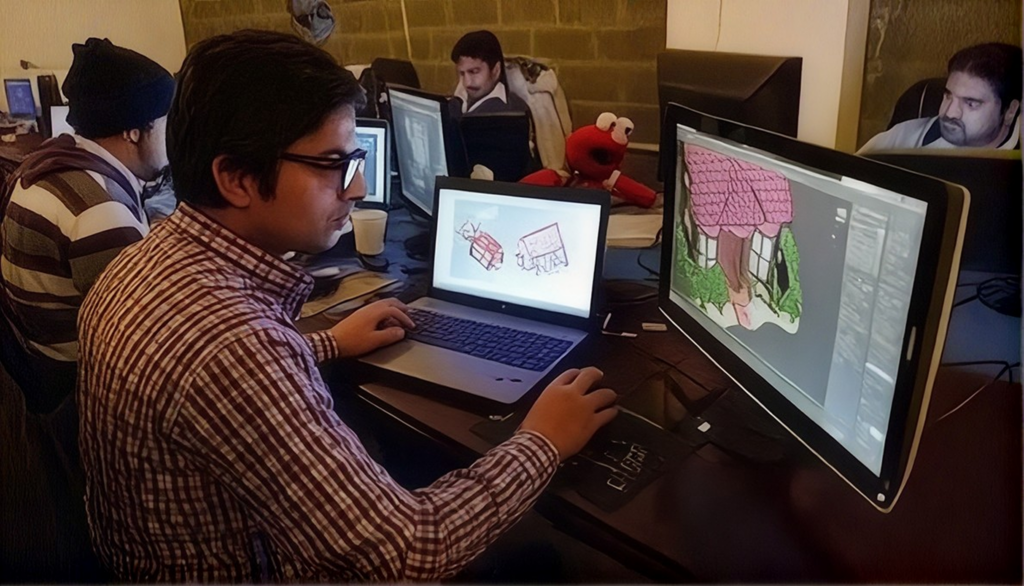
Key steps to Strengthen Technical and Vocational Education
Legislative Frameworks:
Supportive laws can establish a strong foundation for effective training systems. Policies that standardize educational content, promote industry involvement, and focus on skills needed for economic growth support lasting change.
Financing and Resource Distribution:
Investment in equipment, modern laboratories, and qualified instructors is crucial for technical education. Government funding, along with private-sector contributions, can revitalize existing educational institutions and create new training facilities.
Collaboration Between Sectors:
When private enterprises work alongside the public sector, training programs can better meet market demands. These collaborations improve job placement opportunities and provide a direct link between students’ education and future employment.
Engaging Youth: Awareness, Inclusion, Accessibility, and Outreach Efforts:
Most young people are unaware of the potential benefits of technical education. Awareness initiatives, community workshops, school visits, and social media outreach can reshape perceptions and boost participation.
Eliminating Obstacles:
Scholarships, transportation support, and flexible schedules can help students from economically disadvantaged backgrounds take advantage of training programs. Lowering barriers ensures that skills, rather than financial means, dictate future opportunities.
Promoting Gender Equality:
Encouraging girls to pursue careers in technical fields benefits families and communities. Mentoring initiatives, safe learning environments, and outreach aimed at women can increase girls’ enrollment and expand Pakistan’s workforce talent.
Performance Metrics:
Tracking indicators such as skill levels, job placement success, and employer feedback is essential for ongoing improvement.
Tracking Graduate Employment:
Monitoring graduates offers valuable insights into how effectively programs equip students for employment.
The private sector has both the incentive and the obligation to act. That means partnering with universities on curriculum design, not just recruiting from them. It means building structured internship and apprenticeship pipelines that give students real exposure before they graduate. It means backing and supporting skills-focused ventures that are trying to close the gap. As an angel investor, I back companies building in this space precisely because I believe market-driven solutions can move faster than institutional reform.
The Skills-First Model - And What It Actually Looks Like
A skills-first model does not mean abandoning degrees. It means building a parallel infrastructure that ensures no graduate enters the workforce without demonstrable, practical competencies alongside their academic credentials.
At Skills360, we work with young Pakistanis to build exactly this: industry-aligned learning tracks, competency-based assessments, and coaching models that prepare people for the realities of professional life, not just the formalities of a job application. Through Coach360, we focus on mentorship and professional development that universities rarely provide. The demand for these programs tells its own story; students are hungry for practical preparation. They simply have nowhere to turn within the traditional system.

Micro-credentials, short courses, and industry-validated certifications are not a threat to universities. They are a complement to them, and in many countries, universities are embracing this hybrid model. The World Economic Forum projects that 60% of workers will require retraining by 2027, and institutions worldwide are integrating short-form, competency-based credentials directly into their degree programs. Pakistan can too.
So, Who Is Responsible?
Everyone. But not equally, and not in the same way.
The government must reform policy and redirect funding toward skills development, not just degree expansion. Universities must modernize their curricula and embrace industry partnerships with genuine intent. The private sector must invest in apprenticeships, curriculum collaboration, and the startups building solutions in this space. And students must take ownership of their own development – a degree is a starting point, not a destination. No one is absolved. But the burden of leadership falls on those with the most power to change the system.
An Asset or a Liability - We Decide
Pakistan has one of the youngest populations in the world. By 2030, over 60% of our population will be under the age of 30. That demographic reality is either our greatest competitive advantage or our most serious economic liability – and the difference comes down entirely to what we do in the next decade.
The solution exists. The demand exists. The talent exists. What we lack is the collective will to stop pointing fingers and start building systems that actually work. Pakistan’s youth employment crisis is not a mystery. It is a choice – and we make it every year we defer meaningful reform.
“I choose to build instead. I invite everyone reading this to do the same.”

Disclaimer: Any opinions expressed in this article do not necessarily reflect the opinions of the Pakistan Education Review. This content is meant for informational purposes only.

About the Author:
Muhammad Burhan Mirza is a Pakistani entrepreneur, author, and career coach with experience in digital innovation, startup development, and youth mentorship. He is the co-founder of TheCoach360 and Skills360, platforms focused on career guidance and digital skills development for students and professionals, and is also a contributing writer for Entrepreneur.com. He has been featured on TEDx platforms and frequently speaks and writes about entrepreneurship, leadership, education, and the evolving role of technology in professional growth.