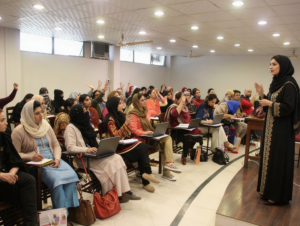

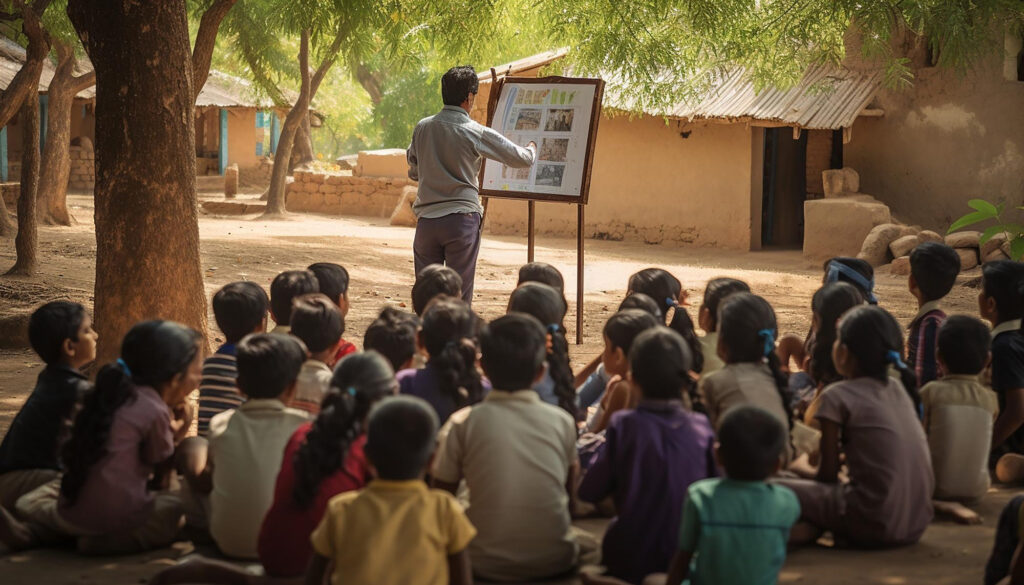
UNICEF estimates that 25.1 million children aged five to sixteen in Pakistan are out of school. That number shows the scale of the crisis, but it does not explain the barriers that keep a child out of class. A teenager in a remote district of Balochistan faces a different problem than a child living near an urban school. The education policy needs to reflect those differences.
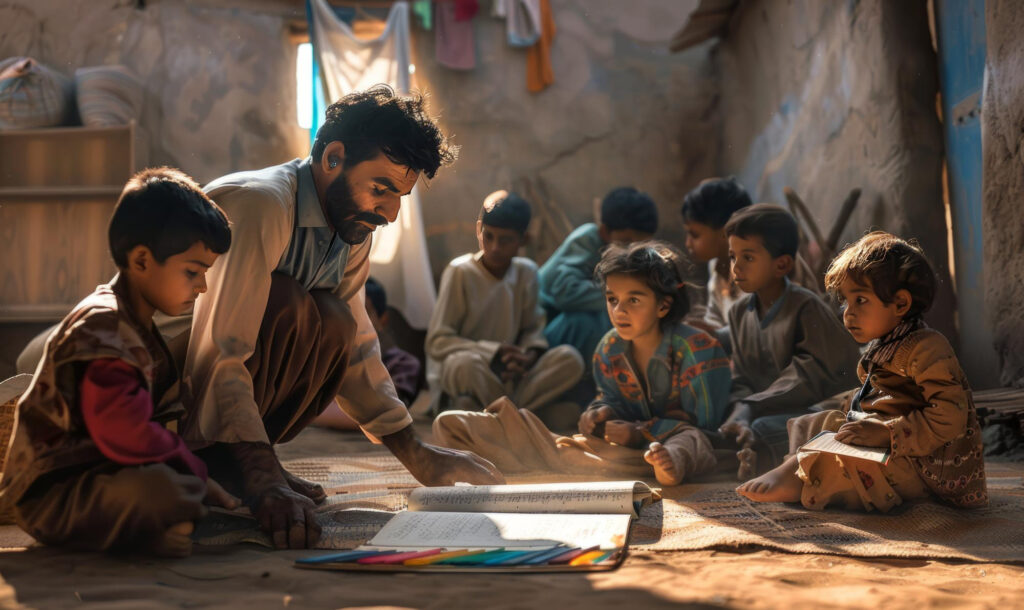
Distance can decide whether a child enrolls at all. UNICEF has documented rural communities in Balochistan where families live far from the nearest school, and children lose access because no practical route exists between home and the classroom. Poverty adds another layer. A family may value education but still struggle with transport costs, food, clothing, books, or the loss of income when an older child stays in school.
A school place therefore answers only part of the access problem. Students need a safe way to get to class and enough household support to stay enrolled. Older students also need a study environment and guidance as they move toward college, training or work.
Access Must Lead to Learning
Pakistan also has to ask what happens after enrollment. World Bank researchers estimate learning poverty in Pakistan at about 78 percent, which means a large share of children cannot read and understand a simple age-appropriate text by late primary age. Policy should measure both access and sustained learning.

The government and its partners already use different tools for different barriers. Community schools and accelerated learning programs can bring education closer to children who live outside the formal system. Transport support can help students reach existing schools. Stronger local schools remain the foundation of any national response. Residential education belongs in the same policy toolkit for a smaller group whose geography and household circumstances make day-school attendance hard to sustain.
Residential Education as a Targeted Model
A residential school can remove the daily journey between home and school. It can also combine teaching with accommodation, meals, healthcare, supervised study, and mentoring. These features matter most for students from remote communities with few local education options and limited access to academic or career guidance.
Al-Hijrah Schools Trust offers a Pakistan-based example. Through its campuses in Ziarat and Dera Ghazi Khan, the Trust serves students from underserved regions through a fully funded residential model. AHEF describes an approach that combines formal education with accommodation, care, mentoring, discipline, and character development. The aim is to give students the conditions to complete school, progress into further study, and return value to their communities.
An Alumnus Pathway from Kohlu
Dr Muhammad Ashraf’s path shows the kind of progression this model seeks to support. He comes from Kohlu, Balochistan, where his father worked as a plumber. Al-Hijrah Schools Trust reports that Ashraf completed his F.Sc. at Al-Hijrah Residential School & College before earning an MBBS from Punjab Medical College in Faisalabad. In 2023, Al-Hijrah Schools Trust reported that he was serving as a medical doctor at District Headquarters Hospital, Kohlu.
Ashraf’s story links educational access with professional progression and service in a graduate’s home community. That outcome matters in districts where young people can struggle to reach secondary school, let alone professional education. One alumnus cannot establish the effectiveness of a whole model, so residential programs still need transparent outcome data across each graduating cohort.
Costs, Safeguards and Evidence
Residential education carries higher costs than many day-school interventions. Schools also take on a duty of care that extends beyond classroom hours. Strong safeguarding, trained residential staff and clear family contact should sit at the center of the model. Admissions criteria also need scrutiny, especially when schools have far fewer places than eligible students.
Evaluation should follow the student beyond graduation. Schools and funders should publish retention and completion rates, examination results, progression to higher education, and employment outcomes. Researchers should compare those results with realistic alternatives available to students from similar backgrounds. That evidence would show where residential provision creates enough educational value to justify its cost.
Match the Model to the Barrier
Pakistan should treat residential education as one option within a wider school-access strategy. Policymakers must ask which students cannot sustain secondary education through a day-school model and whether residential provision gives them a stronger chance to complete school and progress.
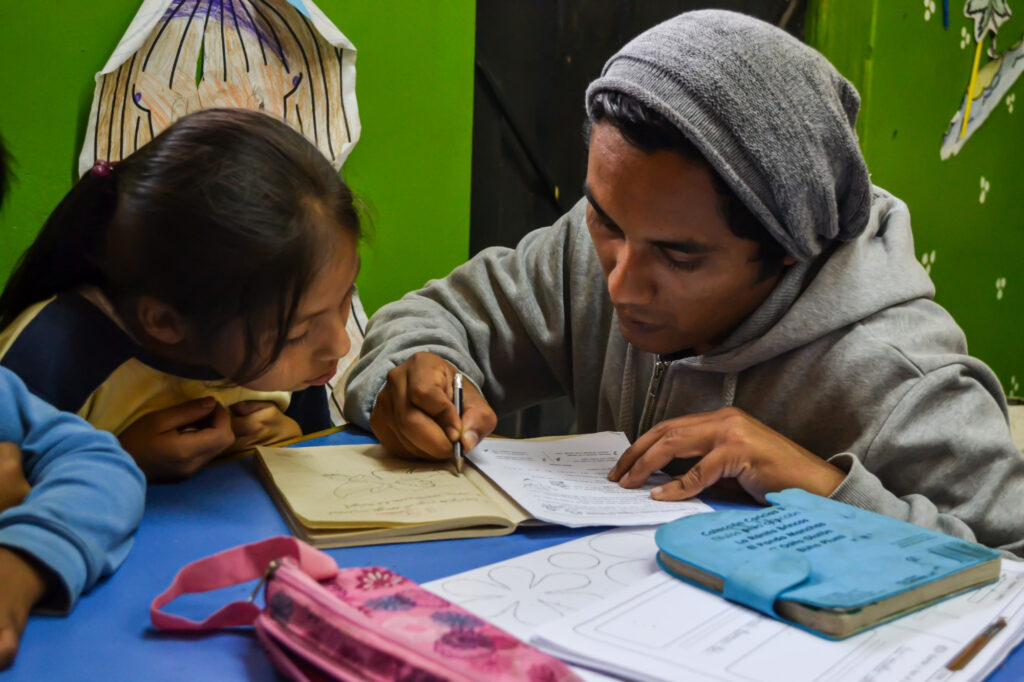
UNICEF’s work in Balochistan shows the value of combining approaches. Recent programs have expanded access through school improvements and accelerated learning pathways, bringing thousands of out-of-school children back into education. Residential schools can complement that work where distance, poverty and weak local provision continue to block a student’s path.
Pakistan does not need one model for every excluded child. It needs a clear match between the barrier and the response. For some students, a stronger school close to home will be enough. For a smaller group in remote, low-income communities, a well-run residential school can provide the stability, care, and educational pathway that make sustained secondary education possible.
Disclaimer: Any opinions expressed in this article do not necessarily reflect the opinions of the Pakistan Education Review. This content is meant for informational purposes only.

About the Author:
Waqar Altaf is Director of Al-Hijrah Education Foundation (AHEF), the UK-based strategic and fundraising arm supporting Al-Hijrah’s residential education work in Pakistan. He focuses on accountability, supporter engagement, and educational opportunities for underserved communities.