Enabling Education in Pakistan
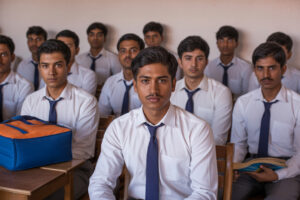
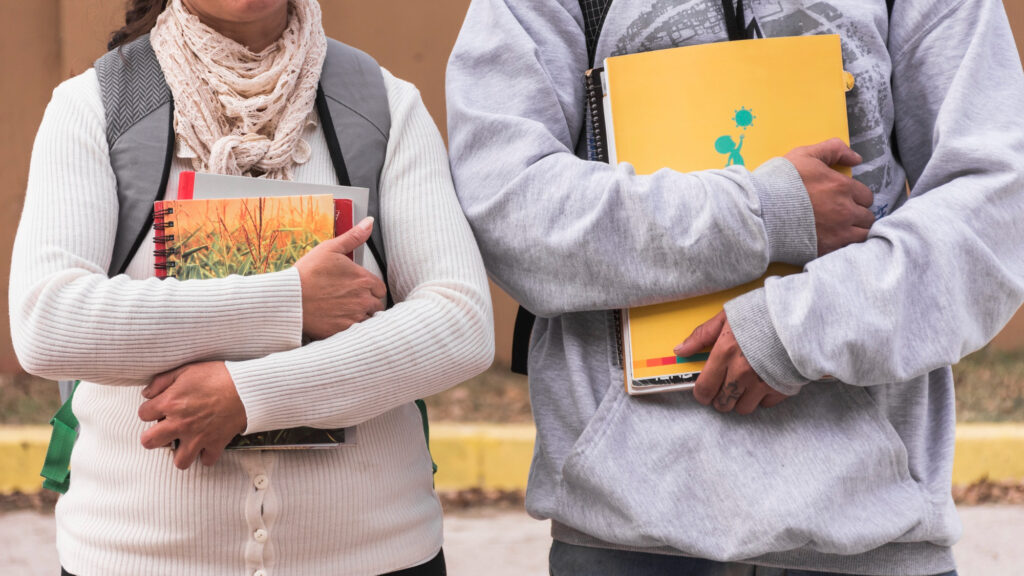
Education is the fundamental right of every individual. It advances a nation on the global stage. In any country, youth play a significant role in maintaining and improving the economy. An educated nation with a progressive mindset leads to an empowered society.
Literacy Rate in Pakistan
According to the Pakistan Economic Survey 2025–26, the national literacy rate has risen to 63 percent; however, education spending has sharply declined to Rs. 962 billion (only 0.8 percent of GDP), leaving major gaps in infrastructure, access, and gender equality. Punjab leads with 68 percent, while Balochistan lags at 49 percent.
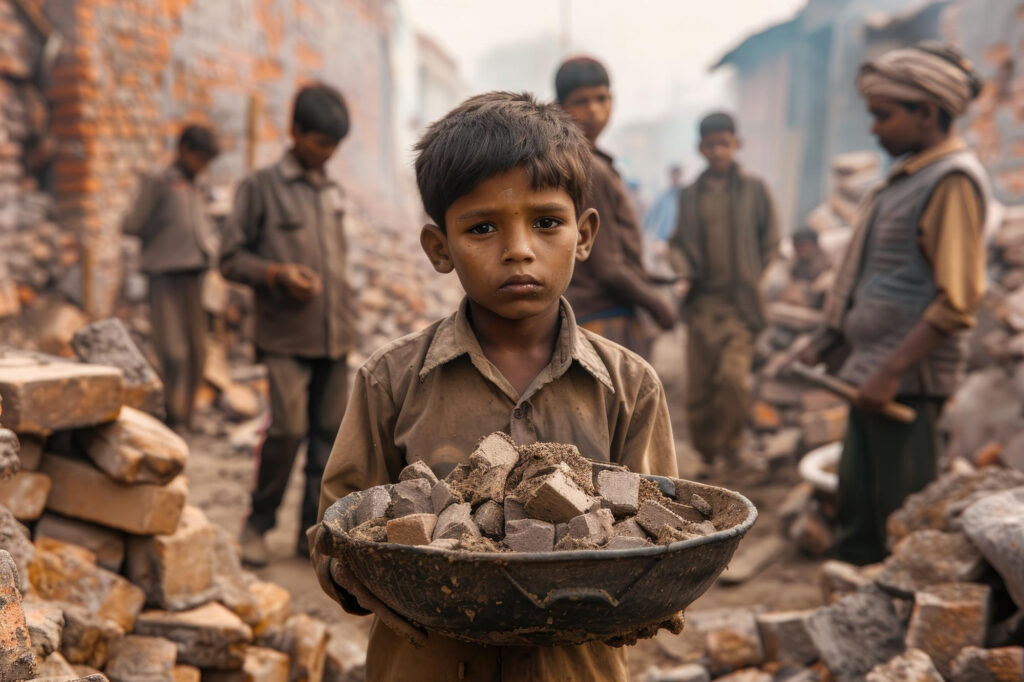
Pakistan has the world’s second-highest number of out-of-school children, with an estimated 22.8 million children aged 5–16. At the primary level, 10.7 million boys and 8.6 million girls are enrolled, and this drops to 3.6 million boys and 2.8 million girls at the secondary level. With the increasing population in Pakistan, it is becoming difficult for people to send their children for even basic education. In this regard, the state must make education free up to a certain level so that, despite class differences, everyone can acquire an education.
Single National Curriculum
A single national curriculum refers to one system of education in terms of the medium of instruction and assessments. Currently, the SNC in Pakistan is not playing its role in educating children at an international level. Its standards do not align with international criteria for education and assessment. Education in Pakistan lacks a focus on learning and critical thinking skills. These skills are required for students to think analytically. Pakistan’s education system is more inclined towards rote learning. Memorization and rote learning can support learning and problem-solving, but memorizing to pass an exam or earn a good grade does not help in the long run.
The Birth of Virtual Education in Pakistan
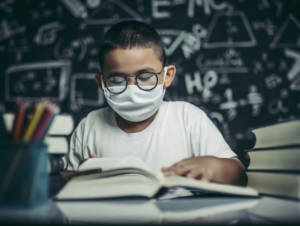
COVID-19 has affected people regardless of their nationality and gender. Several changes have been observed during the pre- and post-COVID periods. Traditionally, physical education has been a priority and is considered the standard for learning. During the pandemic, Pakistan familiarized itself with virtual learning during the lockdown.
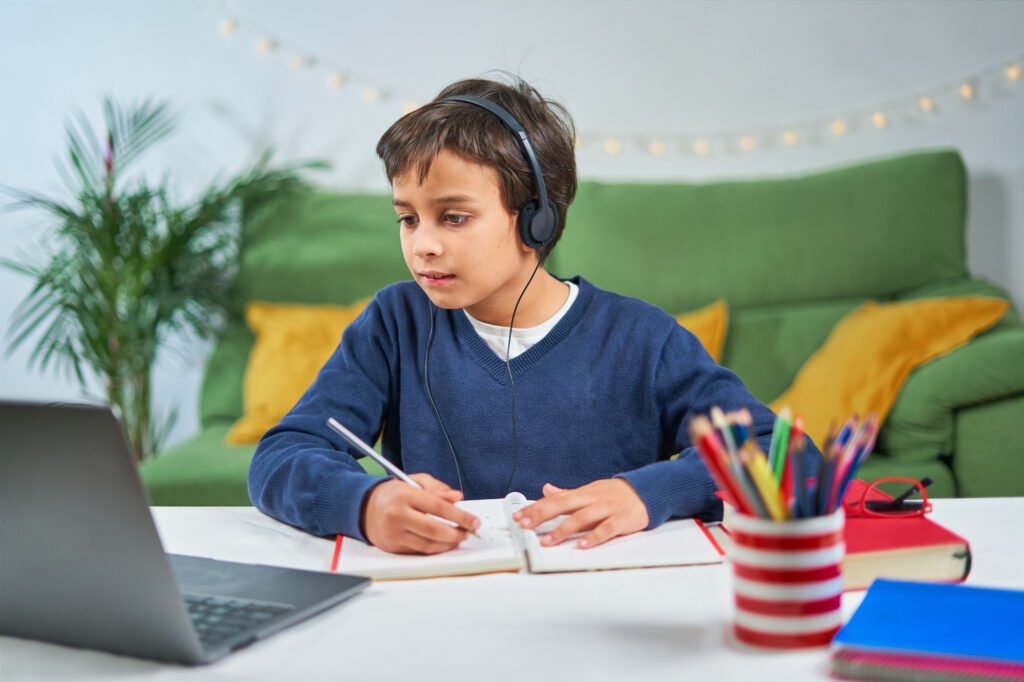
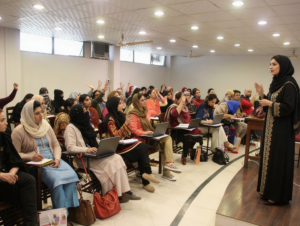
Unfortunately, many people, especially older generations, are not technology-friendly and struggle to adjust to this learning style. There was a dire need for workshops and seminars during COVID-19 to help people adopt this new way of learning. The lack of resources at both government and private levels made it hard for professors to adapt to the virtual education system. To reach international standards, it is crucial to work on the areas where we lack. When it comes to quality education and technology, resources play a vital role in making learning easier. Both physical and virtual education in Pakistan should go in parallel in the era of globalization.
The Death of Research Culture in Pakistan
Academic research is a valuable tool that opens the door to learning and acquiring knowledge. It enlightens the mindset of students and faculty and improves the quality of work. It encourages modern teaching and helps improve people’s skills and abilities. The research sector in Pakistan has been under-resourced. It contributes only 0.29 percent of Pakistan’s GDP.
Innovation also plays a key role in research. Productive research requires upgraded equipment and resources. Different communication tools, such as video teleconferencing and online libraries, should be accessible to researchers. In addition, the government should focus on refining and expanding research capabilities in educational institutions.
Educational Reforms Required in Pakistan
Pakistan’s educational system requires refinement on several levels. It is ranked 99th in the Global Innovation Index. This depicts a lack of investment in research, education, and development. The quality of the education system depends heavily on the quality of teachers it produces and retains. Pakistan needs to make policies to attract, reward, and retain high-quality teachers. There should be teachers’ training workshops and seminars for their learning and professional development.
Higher education in Pakistan lacks real-world exposure. Students who move abroad to study often find it hard to adapt to advanced education systems that encourage out-of-the-box thinking. Creative thinking and writing are also lacking in our education system. Creativity in our society is also not encouraged, and as many have experienced, it receives the least appreciation in our education system.
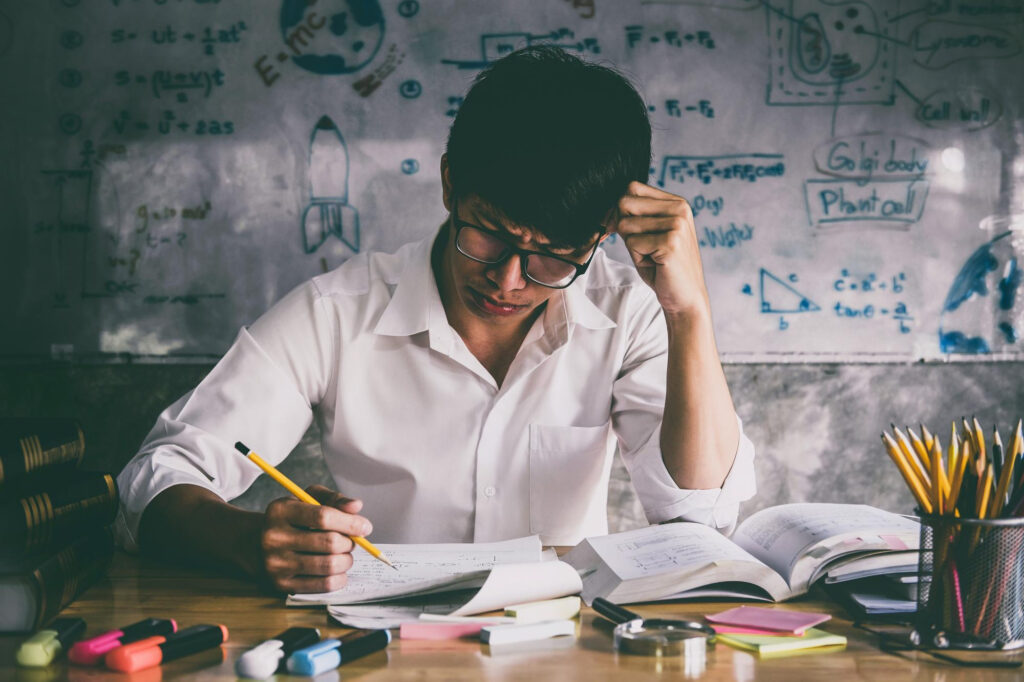
People nowadays are enrolling in different courses that offer technical and other knowledge related to their fields. Unfortunately, there are limited opportunities to benefit from such informative courses alongside traditional education. Different countries around the world have introduced short courses that students can take to update their knowledge in their fields. The best part is that people anywhere in the world can take advantage of these opportunities and learn, as many are fully virtual.
Quality Education Challenges in Pakistan
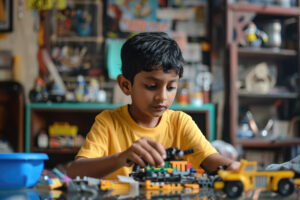
The education system needs major reform to meet global standards. In Pakistan, many students cannot attend school due to inadequate funding. Some people can only afford education up to the primary level. Currently, due to poor infrastructure, a lack of trained teachers, and poor-quality education, Pakistan is facing significant challenges. Due to a lack of resources, laboratories are not well equipped, which also results in limited practical education.
Education systems, globally, emphasize conceptual and experiential learning. Maintaining educational institutions is equally important, as many places in Pakistan lack proper classrooms and furniture for students to study.
Conclusion
It is imperative to understand the importance of quality education and the role it plays in the growth, development, and betterment of society and individuals. Implementing an upgraded and innovative education system will help shape our society. It will lead to a successful nation ready to compete globally.
It is also critical to introduce an education system that stimulates students’ learning and challenges their thinking. The two essential skills students need are problem-solving and critical thinking. Getting out of our comfort zone, encouraging out-of-the-box thinking, and developing analytical abilities are what we need to move forward, bring meaningful change, and eliminate uniformity.
Disclaimer: Any opinions expressed in this article do not necessarily reflect the opinions of the Pakistan Education Review. This content is meant for informational purposes only.
About the Author:
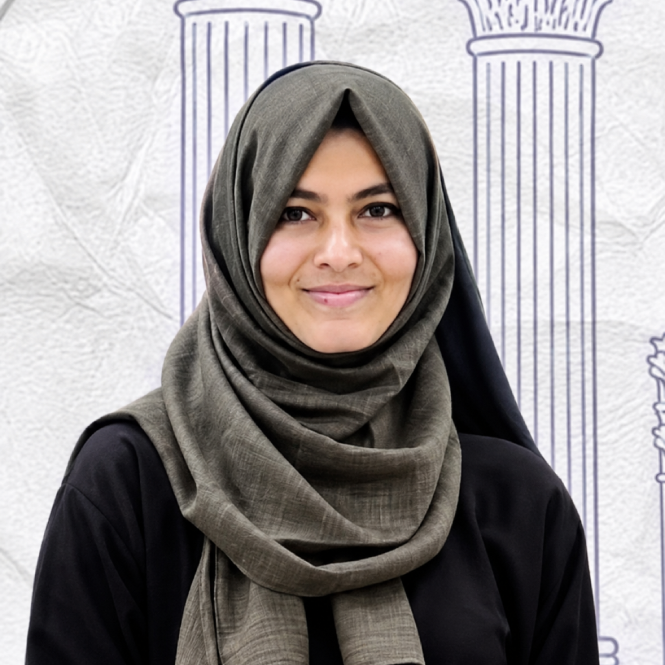
Shabih e Zehra is a graduate in English Literature and Linguistics, and an author, public speaker, compiler, and literary mentor. Her passion lies in education, literature, and empowering others through self-expression and words. A lifelong advocate of learning, she continues to inspire aspiring writers and learners to reach their full potential.