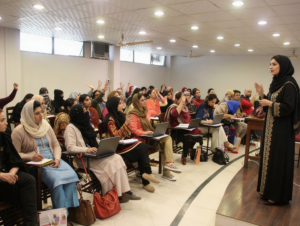

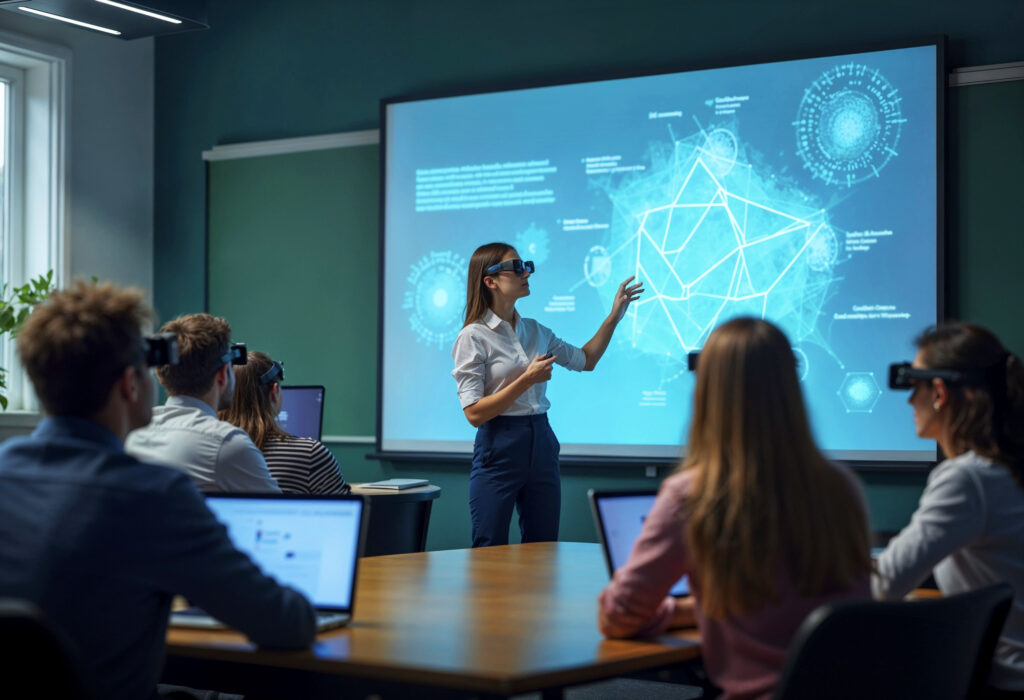
Artificial Intelligence (AI) has become one of the most influential technologies of the modern era. From healthcare and banking to transportation and communication, AI is transforming the way people work and live. Education is also experiencing this transformation. Schools worldwide are adopting AI-powered tools to improve teaching, support student learning, and make classrooms more engaging. When used responsibly, AI can enhance education and let teachers focus on the human side of learning.
One of AI’s biggest advantages is its ability to create personalized learning experiences. Every student learns differently. Some understand concepts quickly, while others need additional explanation and practice. AI-based learning platforms can track a student’s progress and recommend activities that match their needs. This personalized approach helps students build confidence and master subjects at their own pace, rather than following a one-size-fits-all method.
Teachers also benefit from AI because it reduces the time spent on repetitive administrative tasks. AI-powered software can complete activities such as marking objective quizzes, recording attendance, preparing progress reports, and organizing classroom data much more efficiently. As a result, teachers have more opportunities to design creative lessons, provide individual support, and encourage meaningful classroom discussions. Rather than replacing educators, AI strengthens their ability to deliver high-quality instruction.

Modern classrooms are becoming more interactive through AI technologies. Educational applications, virtual tutors, and intelligent learning systems provide instant feedback, helping students recognize mistakes and improve their understanding immediately. Interactive exercises, simulations, and educational games make learning enjoyable and motivate students to participate actively. This increased engagement often leads to better academic performance and a more positive attitude towards learning.
AI also plays an important role in making education more inclusive. Students with hearing, visual, or learning difficulties can use tools such as speech recognition, text-to-speech software, live captions, and language translation services. These technologies remove many learning barriers and allow students with different abilities to participate confidently in classroom activities. Inclusive education becomes more achievable when technology supports equal learning opportunities for everyone.
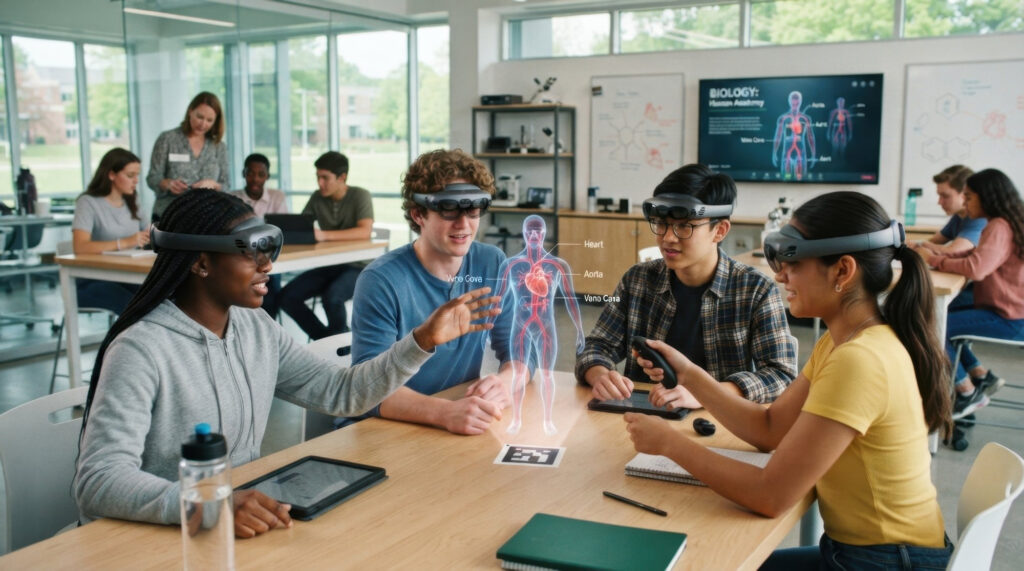
Another key benefit of AI is its ability to use educational data to improve teaching strategies. AI systems can analyze classroom performance and identify topics that students find difficult. This information lets teachers adjust lesson plans, provide extra practice where needed, and monitor learning progress more effectively. Decisions based on accurate educational data can improve both teaching quality and student outcomes.
Despite these advantages, schools should introduce AI with care. They must protect students’ personal information by using secure digital platforms and following strong privacy policies. Teachers should also encourage students to verify AI-generated information rather than accept every answer as correct. Critical thinking, creativity, communication, and problem-solving remain essential skills that technology cannot replace. Students should use AI as a learning assistant rather than relying on it for every task.
Teachers remain essential in every classroom. Technology cannot replace the encouragement, empathy, motivation, and personal guidance that teachers provide each day. Educators understand students’ emotions, recognize their individual strengths, and create supportive learning environments that technology alone cannot achieve. AI works best when it supports skilled teachers rather than replacing them.
In Pakistan, AI offers significant opportunities to improve education. Digital learning platforms can provide quality educational resources to students living in remote areas where access to experienced teachers may be limited. AI can also support teachers through lesson planning, classroom management, and assessment tools. However, successful implementation requires reliable internet access, teacher training programs, updated educational policies, and investment in digital infrastructure. Addressing these challenges will help ensure AI benefits students nationwide.
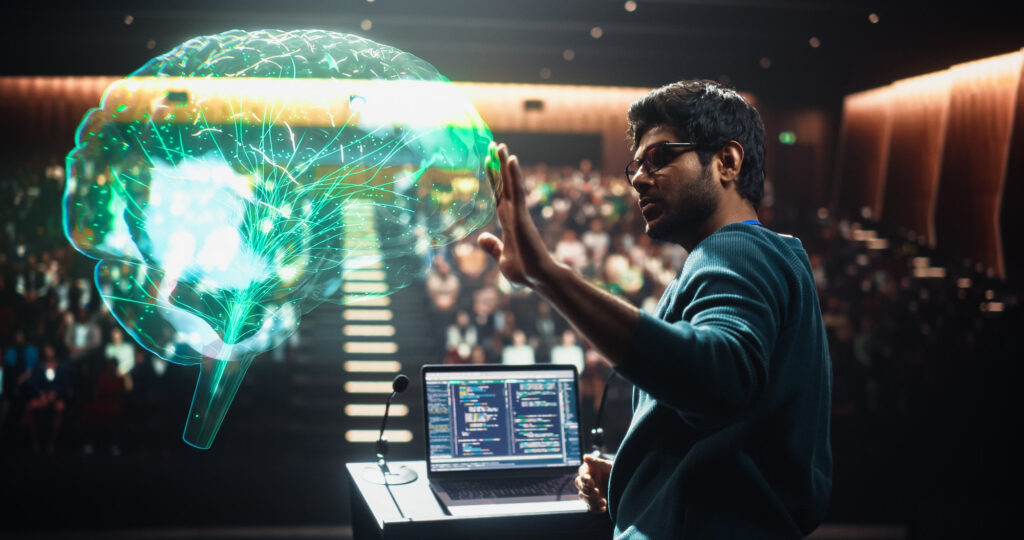
Preparing students for the future means teaching them how to use AI responsibly. Schools should promote digital literacy, ethical technology use, academic honesty, and responsible online behavior. Students must understand that AI is designed to support learning, research, and creativity—not to replace independent thinking or original work.
In conclusion, AI is changing today’s classrooms by making education more personalized, accessible, efficient, and engaging. Its greatest value lies in supporting teachers and helping students achieve their full potential. As educational technology evolves, schools should embrace AI thoughtfully while preserving the human values that define quality education. A balanced partnership between innovative technology and dedicated teachers will create stronger learning experiences and prepare students for success in an increasingly digital world.
Disclaimer: Any opinions expressed in this article do not necessarily reflect the opinions of the Pakistan Education Review. This content is meant for informational purposes only.

About the Author:
Areeba Attiq is a graduate with a strong interest in education, classroom innovation, and educational technology. She writes about modern teaching practices, digital learning, and emerging trends that help improve education for both teachers and students.