

Pakistan recently ranked as the top country globally for Erasmus Mundus scholarship recipients. Our students frequently secure placements in prestigious programs such as the European Master in Animal Biodiversity and Genomics (EMABG), which addresses societal challenges in animal breeding, biodiversity, and conservation. Yet this academic achievement can feel detached from a difficult reality at home: Pakistan received an overall “E” rating in the 2020 Animal Protection Index.
It might tempt some to associate Pakistan’s literacy rate—which stands at 63 percent, compared with a regional average of 78 percent—with the country’s worsening animal welfare crisis. Yet academic attainment alone does not automatically translate into active civic empathy or ethical stewardship. If academic environments and institutional teaching separate literacy from empathy, then we risk overlooking the very values embodied by Abdul Sattar Edhi. A humanitarian who left formal schooling at the age of eleven, he devoted his life to defending vulnerable lives, including animals, without seeking financial reward.
The contrast between grassroots empathy and institutional shortcomings is stark. Recent legal efforts by organizations such as Todd’s Welfare Society (TWS) have contributed to important developments in the conversation surrounding humane treatment of stray animals, including legal action relating to dog culling. Nevertheless, reports of harsh extermination methods continue to raise concerns across urban centers. When animal population challenges are met with harsh reactive measures rather than sustainable solutions, society risks modeling indifference for the next generation.
The way children perceive and interact with animals is influenced by the behaviors and attitudes they encounter around them. When harmful treatment goes unaddressed, it can gradually become normalized, reinforcing the idea that the wellbeing of vulnerable beings is of little consequence.
Schools—where children spend much of their developmental years—therefore play an important role. Schools have a natural opportunity to extend classroom values to the playground, guiding how students interact with vulnerable animals around them.
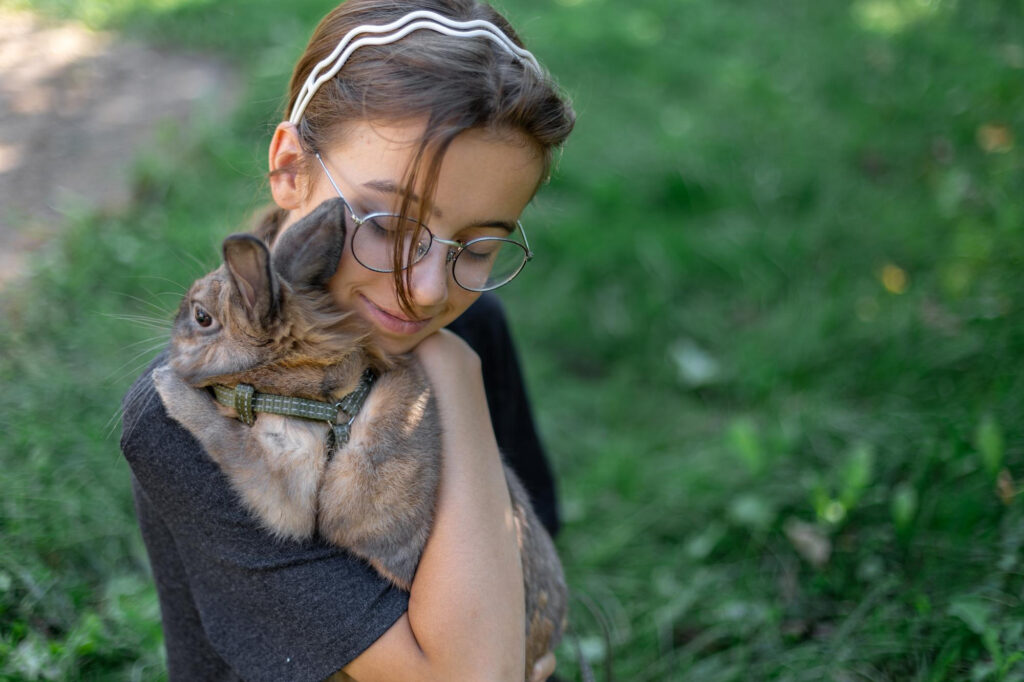
When young minds are never taught that animals experience fear, pain, and trauma, it can become harder for them to connect their actions with consequences. The consequences of ineffective animal-control practices can extend beyond animals themselves.
A report by The Express Tribune on the tragic death of a young child who accidentally consumed a poisoned sweet, reportedly left as part of an attempt to cull stray dogs, highlighted the serious risks associated with such methods. It also raised broader questions about the need for safer and more sustainable approaches to public health and animal population management.
This infrastructure gap extends into daily life, where accessible emergency veterinary care for stray animals remains limited. Restricted operational hours and a lack of readily available services can place a significant burden on ordinary citizens trying to help animals in need.
This reality has also given rise to independent rescue operations such as Ayesha Chundrigar’s ACF Animal Rescue, which has built extensive rescue and sanctuary efforts in Karachi and provides care for animals across multiple species. Work like this demonstrates what individual initiative and sustained compassion can achieve, particularly when formal systems remain limited.
Hope alone cannot drive systemic change. Until our educational and social institutions foster greater moral accountability, much of the responsibility for animal welfare will continue to fall on dedicated citizens and independent rescuers.
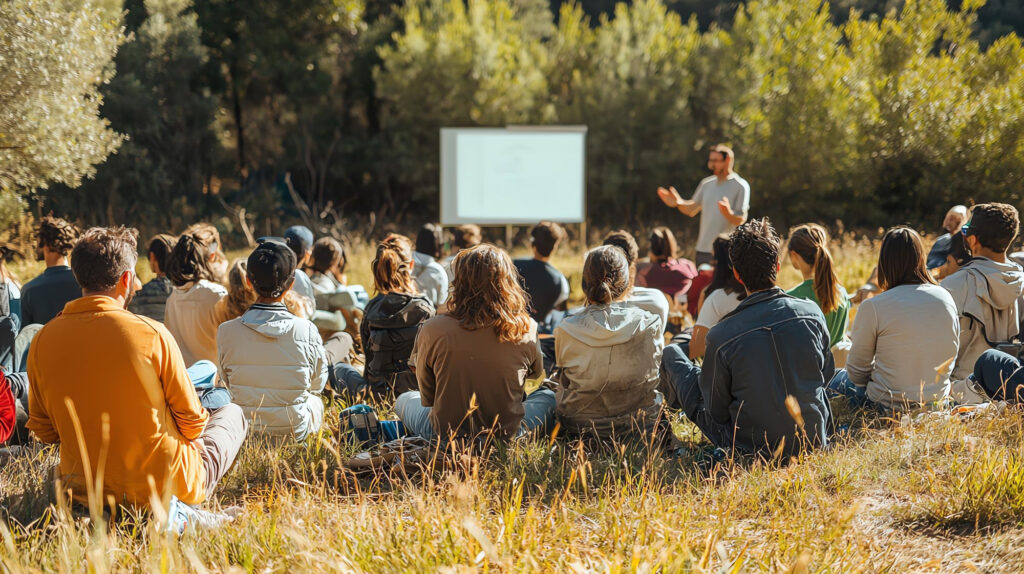
Institutions can actively contribute by hosting awareness workshops that nurture student empathy and encourage genuine character. Preparing young minds to lead Pakistan requires more than just academic rigor—it also demands moral grounding. Incorporating brief, engaging sessions led by animal welfare experts into school schedules can create an environment that builds social responsibility without disrupting academic progress. Moral ethics do not automatically accompany an “A*” or a passing grade; these are values cultivated through practice, not awarded on a diploma.
True education goes beyond standardized metrics and prestigious syllabi to nurture basic moral literacy and compassionate citizenship. When educational institutions separate academic instruction from character building, they risk producing graduates who remain disconnected from the suffering of vulnerable beings around them. By introducing animal welfare, ethical stewardship, and compassionate behavior from an early age, schools can help turn basic literacy into broader human development—one in which education is reflected not only in what a student knows, but also in how they treat the lives around them.
Disclaimer: Any opinions expressed in this article do not necessarily reflect the opinions of the Pakistan Education Review. This content is meant for informational purposes only.

About the Author:
Manahil Fatima is a graphic designer and visual commentator based in Lahore. Her work explores the intersection of creative direction and social analysis, focusing on cultural psychology and operational realism. Alongside her practice, she continues her academic pursuits to further develop skills aligned with her professional goals.