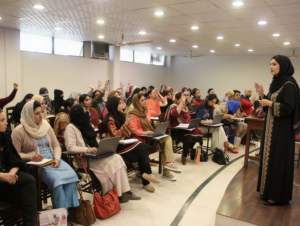

Paulo Freire’s critical and revolutionary pedagogy remains a foundational influence in education and social justice. In Pedagogy of the Oppressed, Freire critiques traditional education systems, which he terms “banking education,” where learners are treated as passive recipients of knowledge, and teachers are the sole authorities. In its place, he proposes a “problem-posing” model rooted in dialogue, critical reflection, and mutual learning. This framework envisions learners as co-creators of knowledge, capable of analyzing their realities and working toward transformation.
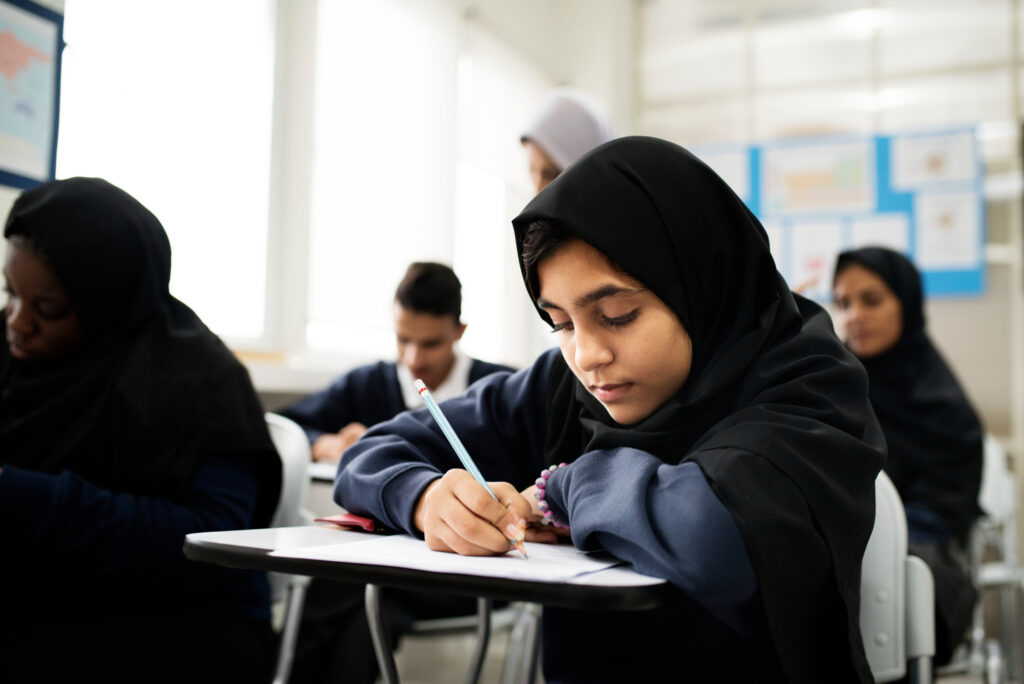
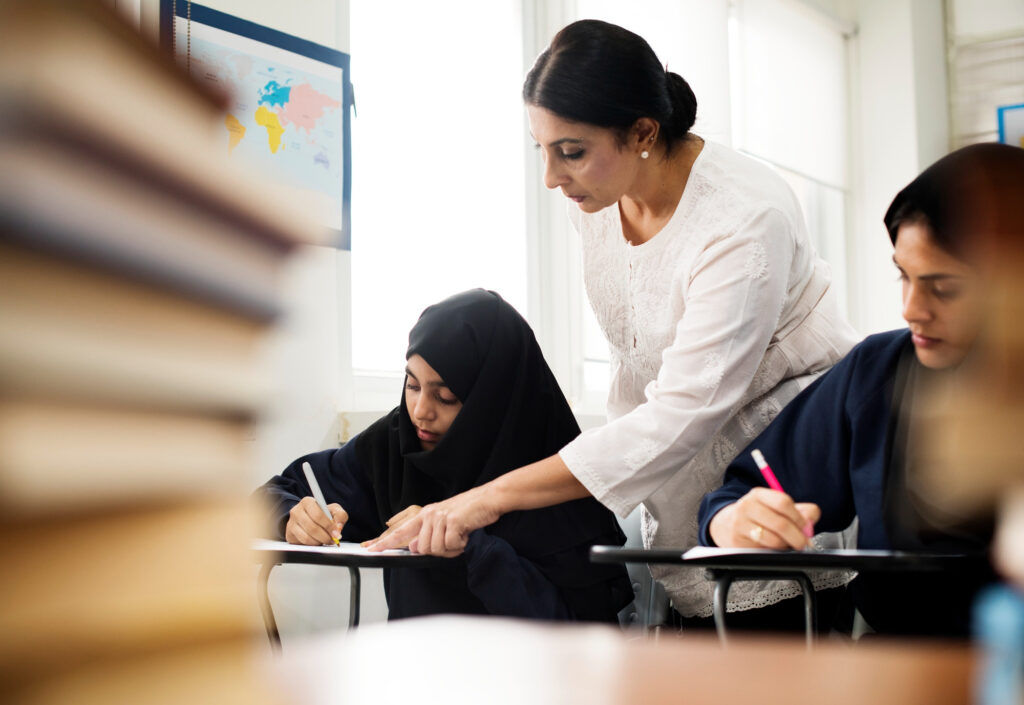
This philosophy has significant implications for the Pakistani education system, which still mirrors many characteristics of Freire’s banking model. Teaching practices in many schools and colleges remain heavily teacher-centered, focusing on rote memorization, obedience, and the passive absorption of facts. Students are rarely encouraged to question, reflect, or relate content to their lived experiences. This top-down approach reinforces societal hierarchies and fails to empower learners to become active, critical participants in their own development.
Freire’s notion of “conscientização” (critical consciousness) is particularly relevant in Pakistan’s context. It encourages learners to develop a deep awareness of their social, political, and economic conditions and to question structures that perpetuate injustice. In Pakistan, where systemic inequalities persist in terms of class, gender, language, and access to quality education, fostering critical consciousness is vital. It supports students, especially those from marginalized communities and not solely those from elite backgrounds, in recognizing their agency and capacity to confront oppression.

The strength of Freire’s pedagogy lies in its emphasis on dialogue, a two-way, respectful engagement between teacher and learner. In Pakistani classrooms, such dialogue is often absent due to rigid hierarchies, authoritarian discipline, and fear of dissent. Encouraging dialogic learning would not only transform classroom culture but also help develop essential skills such as communication, empathy, collaboration, and problem-solving. It would nurture democratic values in a society that struggles with authoritarianism and intolerance.
Moreover, Freire’s model emphasizes that relevance learning should be rooted in the social and cultural context of the learner. In Pakistan, where the curriculum often fails to reflect students’ real-life experiences, there is a pressing need to localize content, encourage multilingual expression, and connect education with real-life problems such as poverty, gender inequality, and climate change.
Realizing Freire’s vision demands systemic reform, including teacher training grounded in critical pedagogy, transforming assessment methods from rote memorization to reflective evaluation, and increased investment to ensure equitable access to education. Most importantly, it calls for a cultural shift, seeing education not as control, but as liberation.
In conclusion, Freire’s pedagogy provides a powerful framework for critiquing and reimagining Pakistan’s education system. By replacing the banking model with problem-posing, dialogic education, we can foster critical thinkers who are capable of addressing societal injustices and participating in democratic life. Freire’s message is clear: education must be a practice of freedom, and in Pakistan, that freedom is both necessary and possible.
Disclaimer: Any opinions expressed in this article do not necessarily reflect the opinions of the Pakistan Education Review. This content is meant for informational purposes only.
About the Author:
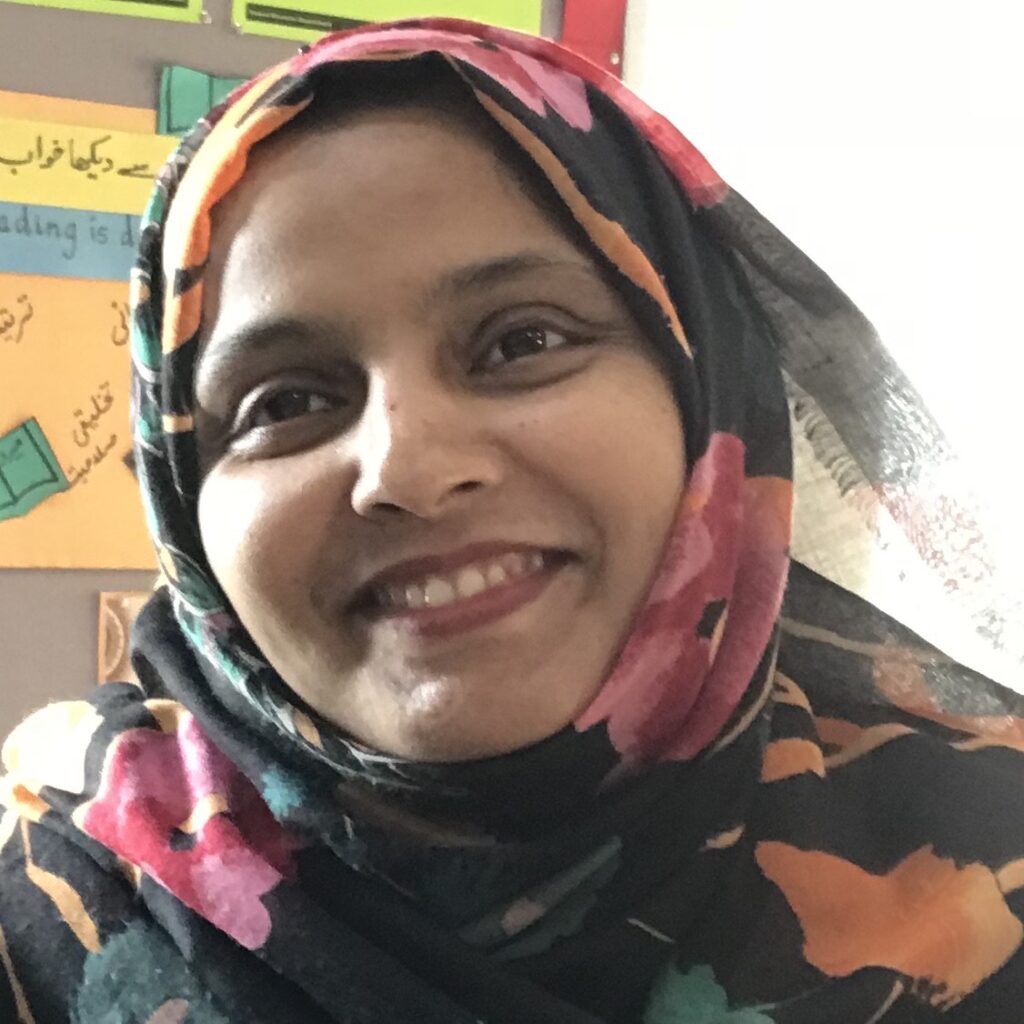
Kashfia Latafat is an educator and researcher with over 20 years of experience, currently a mathematics lecturer and research scholar at Aga Khan University IED. Her work focuses on education policy, social justice, and teacher development, and she contributes to women’s empowerment initiatives through Virtual Baithak.