
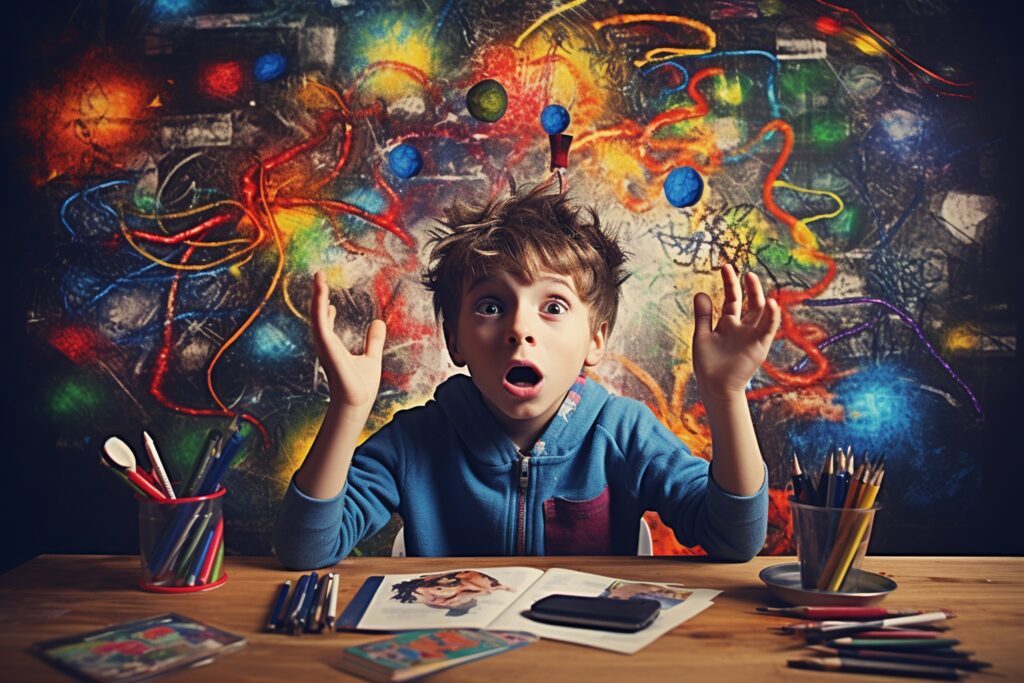
“Imagination is more important than knowledge. For knowledge is limited, whereas imagination embraces the entire world.” — Albert Einstein
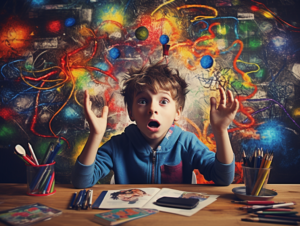
In the quiet orderliness of many Pakistani classrooms, imagination has become an endangered species. Rows of compliant students hunch over their notebooks, memorizing passages repeated countless times before. The hum of inquiry, the spark of curiosity, the thrill of discovery—all are subdued beneath the mechanical cadence of rote learning. Creativity, once the heartbeat of education, now struggles to breathe.
The Cult of Conformity
Our education system, tragically, rewards imitation more than innovation. A perfect answer is prized over an original thought. Students are conditioned to follow templates, reproduce model essays, and deliver “safe” interpretations. In this cult of conformity, the imagination withers—replaced by a fear of being wrong.
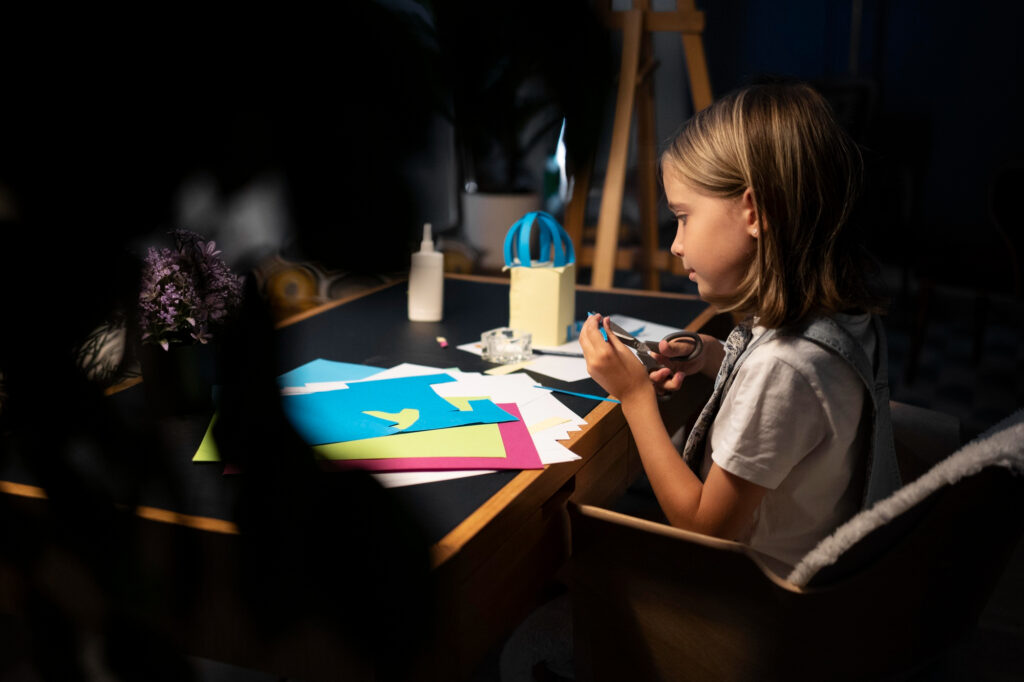
We teach our children to color within the lines and then wonder why they cannot paint the future. Examinations become the altar where creativity is sacrificed, and the classroom, once a sanctuary of wonder, turns into a factory of uniformity.
Creativity: The Forgotten Intelligence
Creativity is not confined to art studios or music rooms. It is the quiet force that propels scientific breakthroughs, social reforms, and entrepreneurial ideas. It is the power to connect the unconnected, to see possibilities where others see problems.
Yet, in Pakistan’s classrooms, creativity is often misunderstood as chaos. A student who questions the text is seen as defiant; one who thinks differently is gently redirected toward “the right answer.” Ironically, the 21st-century world—dynamic, digital, and unpredictable—demands precisely the kind of flexible thinking our schools suppress.
Teachers: Architects of Change
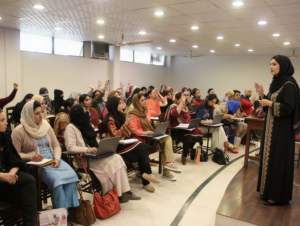
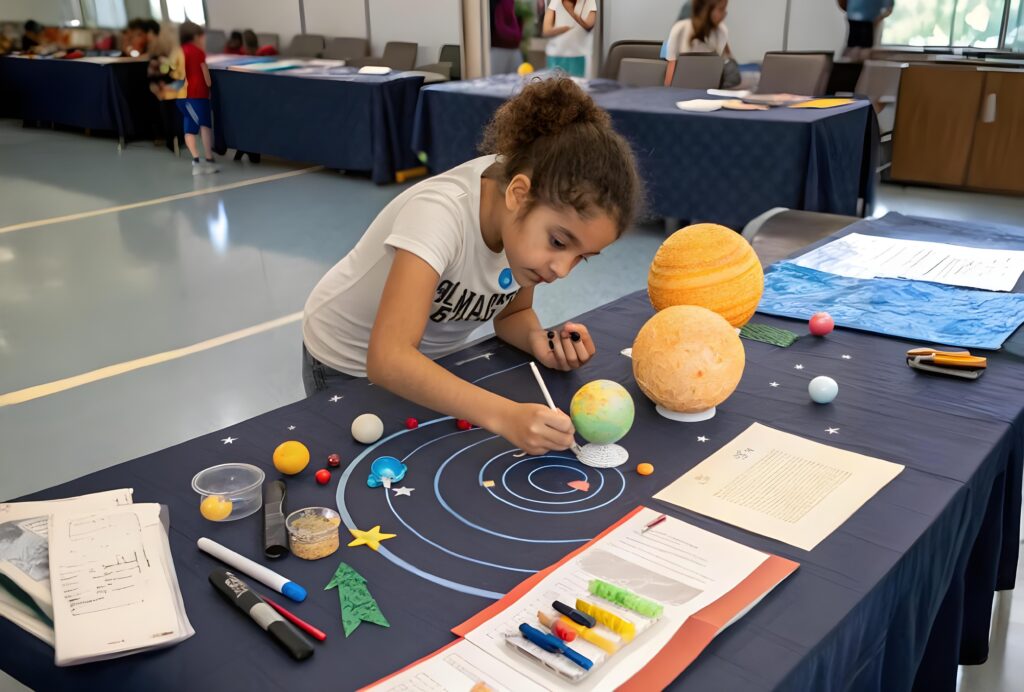
Hope, however, flickers through the dedication of our educators—those who dare to defy monotony. Across the country, teachers are quietly reimagining what learning looks like.
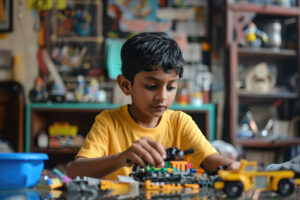
These teachers act as architects of transformation, proving that creativity does not require expensive resources—only courageous minds. They understand that when students are given freedom to imagine, they also learn to reason, empathize, and innovate.
A World Rewritten by Creativity
We are living through an age where artificial intelligence can write essays and algorithms can grade tests. In such a world, the only truly human skill left—the one machines cannot replicate—is creativity. It is the ability to dream, to empathize, to weave stories and solutions from chaos.
And yet, our education system continues to treat imagination as ornamental, not essential. The irony is painful: we prepare our youth for an unpredictable future with a syllabus rooted in the past. Knowledge alone no longer guarantees survival; adaptability does. And adaptability is born of imagination.
The Way Forward
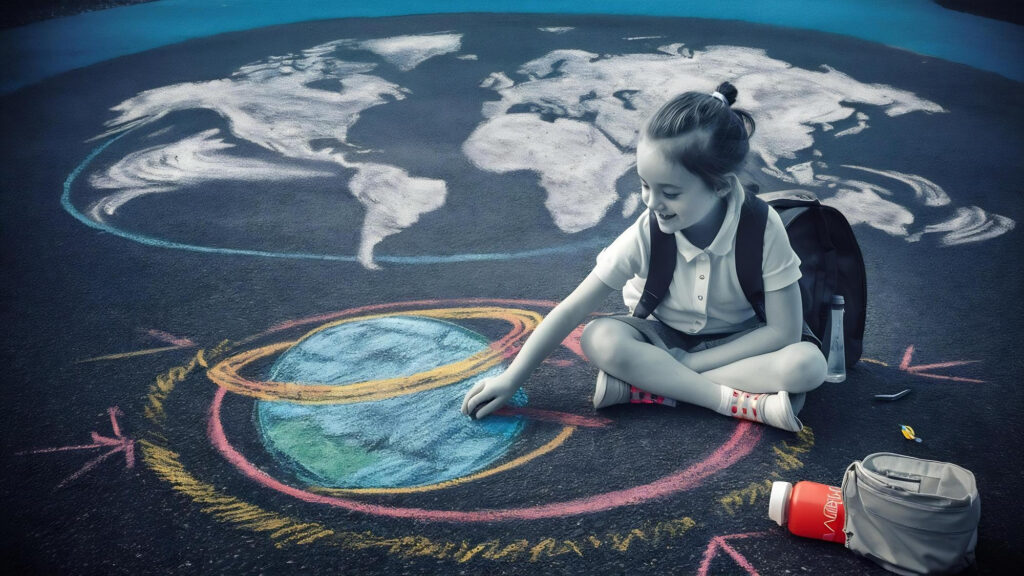
Reclaiming creativity in Pakistani education requires a deliberate shift in priorities and practice. The following are a series of practical suggestions for system-wide changes:
- Restore Creativity: We must fundamentally reimagine education itself.
- Reform Assessment: Give originality and reasoning as much weight as recall. Reward thinking, not templates.
- Empower Teachers: Provide training in creative pedagogies—storytelling, design thinking, project-based learning.
- Revise Curricula: Allow flexibility so teachers can contextualize lessons and students can connect learning to life.
- Celebrate Curiosity: Make questioning as natural as answering. A curious child is halfway to creativity.
Creativity and discipline are not adversaries. Structure provides the canvas; imagination brings the color.
A Call to Reignite Wonder
Within every classroom sits a poet, a problem-solver, an innovator waiting to be believed in. It is time we gave them permission—and space—to imagine. Education should not be about filling empty vessels but kindling dormant fires.
If Pakistan is to rise beyond mediocrity, its classrooms must once again echo with the sounds of curiosity, not conformity. The future belongs to those who can envision it—and we owe it to our children to teach them how to dream.

Disclaimer: Any opinions expressed in this article do not necessarily reflect the opinions of the Pakistan Education Review. This content is meant for informational purposes only.
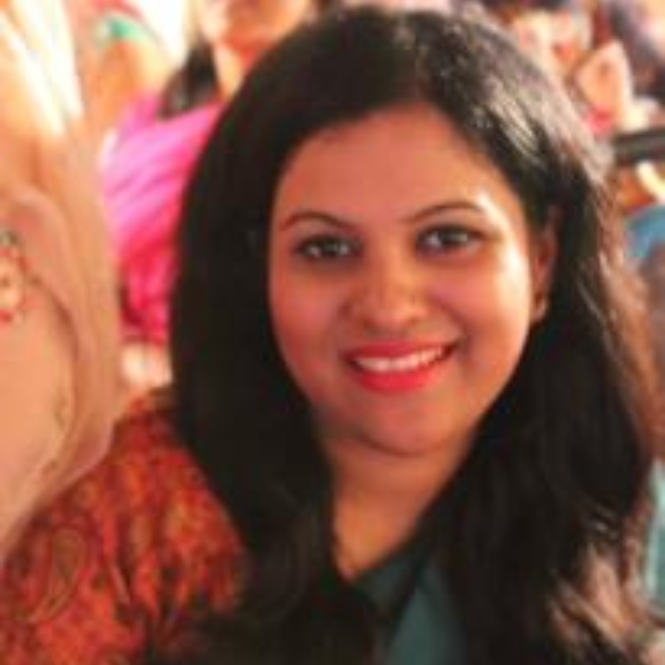
About the Author:
Nazia Kashif holds a Master’s degree in English Literature and has spent twelve years teaching O-Level English. She writes with a keen interest in language—exploring ideas rooted in education, expression, and the poetry of everyday life. Twice shortlisted for the Cambridge Dedicated Teacher Award, she continues to pursue words, wonder, and well-crafted sentences.